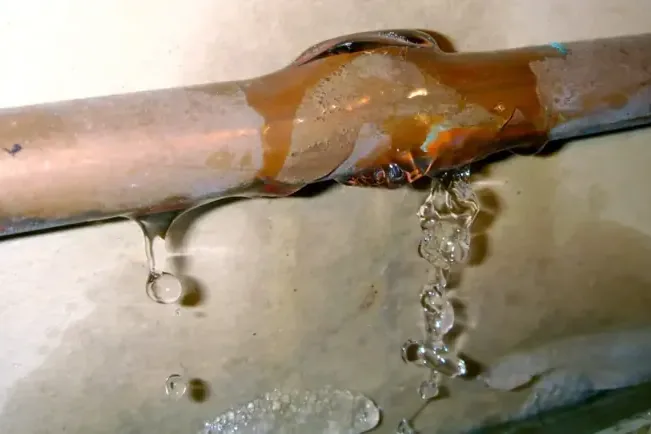
The City of Scappoose provides a Leak Adjustment Request Form and administers water and sewer utility accounts. After a pipe leak, an organized record can support the account inquiry while also documenting the separate work inside the building. The useful file starts with the discovery, continues through the plumbing repair and follows any affected materials through drying and later repairs.
Key takeaways
- An active supply release needs safe source control and a clear report of the affected area.
- The city Water Department is the contact for a broken pipe or leak during business hours.
- The city owns water meters, so meter equipment should be left to authorized personnel.
- The account holder should obtain current adjustment instructions and retain submitted correspondence.
- Plumbing evidence and material drying findings answer different questions and should remain distinct within the same incident file.
Write down what happened before the repair changes the scene
The first entry should describe where water appeared and what was happening when the leak was discovered. A visible spray at a connection, water emerging from a wall and a wet floor found after an absence are different observations that help a plumber plan the source investigation.
An occupant can photograph the condition from a dry position and report whether the release is continuing. Safe source control belongs ahead of paperwork, and the initial note can simply record who was contacted and any safe shutoff action already completed.
The burst pipe water damage page describes the building assessment after a supply release. The record should preserve the discovery location even if the plumber later finds the failed section behind another surface or within an adjoining space.
- Describe the first visible water and the room where it was found.
- Record the contact made and any safe source control action.
- Save the earliest images before repair access changes the visible scene.
Use the correct city contact for the account question
The city Water Department is the stated contact for a broken pipe or leak during business hours. The account holder can identify the service account and ask how to report the current problem, keeping the conversation focused on observed conditions and the appropriate next contact.
Water meters are City of Scappoose property. An occupant should not attempt to dismantle or alter the meter as part of an indoor leak response; any concern about that equipment belongs with the authorized utility personnel handling the report.
The city provides a Leak Adjustment Request Form. The account holder should obtain the current form and instructions, identify the requested supporting information and keep a copy of the completed submission with any subsequent city correspondence about the incident.
- Keep the utility account information available to the authorized account holder.
- Direct meter equipment questions to city personnel.
- Retain the submitted form and the city's written response in the incident file.
Ask the plumber for a repair description that can stand alone
A useful plumbing record identifies the location inspected, the defect found and the work completed. An invoice stating only that a leak was fixed leaves the owner with little detail to connect the repair to the earlier discovery photographs or an account inquiry.
The description can note access openings, replaced components and any remaining work the plumber identified. Where images are available, a labeled photograph of the exposed area helps someone reading the file understand where the repaired section sits within the building.
The property owner should also retain the plumber's instructions about restoring normal use and any follow up required. Keeping those instructions with the repair description avoids relying on a short verbal conversation once other contractors begin drying and finish repairs.
Map the water's reach separately from the failed pipe
The failed fitting or pipe section is the source location, while the damage inspection follows the water beyond it. A room sketch should identify wet floor edges, wall bases and any adjoining space reached before the source was controlled.
The water extraction process removes accessible liquid within the assessed work area. The material record should still identify concealed edges or enclosed spaces that need further access, so those questions remain visible after the exposed puddle has been removed.
For a rented property, the owner and occupant can share the same room record while keeping personal contents listed separately. Scappoose includes both rented and owner occupied homes, and clear access arrangements help each authorized person understand which building materials need attention.
- Label the source location and affected room boundaries separately.
- Include adjoining spaces when the inspection finds continued moisture.
- Distinguish building components from personal items in the damage inventory.
Organize the adjustment file without mixing repair categories
The account inquiry should follow the current city instructions and include the information requested for assessment. The owner can keep the leak discovery entry, plumbing documentation and correspondence together, making it easier to answer a later request without searching through unrelated repair proposals.
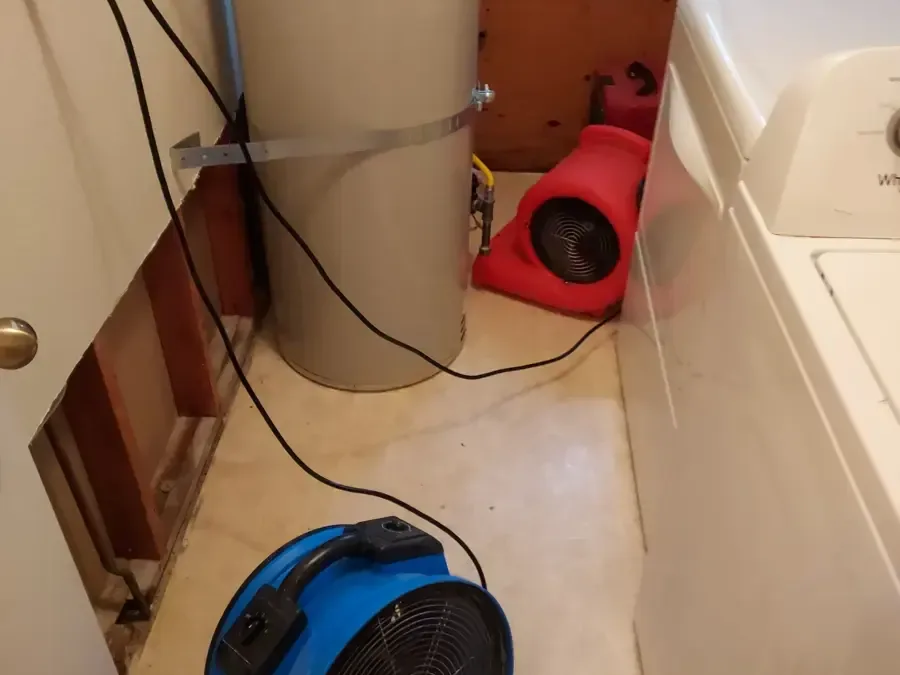
A separate group of records should cover extraction, affected material handling and drying. Those documents describe what happened to the building interior, while the plumbing record describes the source work; clear labels preserve the purpose of each invoice and report.
The owner should save the city's decision and any explanation with the original submission. A complete correspondence record shows what was requested and what response was received, allowing the account holder to follow up on a specific question using the same information.
- Use distinct labels for plumbing, mitigation and finish repair records.
- Keep copies of all documents supplied with the adjustment request.
- Attach later questions and responses to the original account correspondence.
Follow wet assemblies through to a measured endpoint
Source control stops the release, while retained materials need an assessment of their current condition. The drying contractor should identify the assemblies being treated and the locations being measured, especially where access openings expose water behind an apparently intact finish.
The structural drying record tracks progress at those locations. An owner following the project can ask which materials have reached the completion basis and which still require attention, keeping the conversation focused on the building rather than the equipment count.
If a wet section needs more access, the reason should be documented before further finish removal. Photographs of the exposed material and a location label help connect that decision to the original loss, while preserving a useful scope for the later repair contractor.
Leave a clear trail for the next person working on the room
The final handoff should bring together the source repair, material findings and remaining finish work. A contractor arriving to close an opening should be able to identify the area treated, the retained assembly condition and any task still assigned to another trade.
An occupant also needs a practical account of what can be used normally and what remains restricted. The property contact can provide a concise update naming completed work, the next repair appointment or contact, and the way to report any renewed water.
The archived file should retain the city correspondence alongside the building records without combining their conclusions. That leaves the account holder with a complete adjustment history and the property owner with a separate, understandable record of the pipe repair and indoor restoration.
Questions
What city document is available after a leak?
The city provides a Leak Adjustment Request Form. The account holder should obtain its current instructions and supply the requested information, then preserve both the submission and the city's response with the incident records.
Who should handle a concern about the water meter?
The meter is city property, and the concern should be directed to authorized utility personnel. Occupants can report what they observe without opening or modifying meter equipment during a response to indoor water damage.
What is the most useful plumbing invoice detail?
A specific description of the failed component, its location and the completed repair helps connect the invoice to the event. Access photographs and written follow up instructions can add context for later reference or additional building work.
Why keep the drying report apart from the adjustment request?
The material report explains the condition of the affected building assemblies and the work used to address them. The utility correspondence records the account assessment, so separate labels help the owner find the right evidence for each subsequent question.