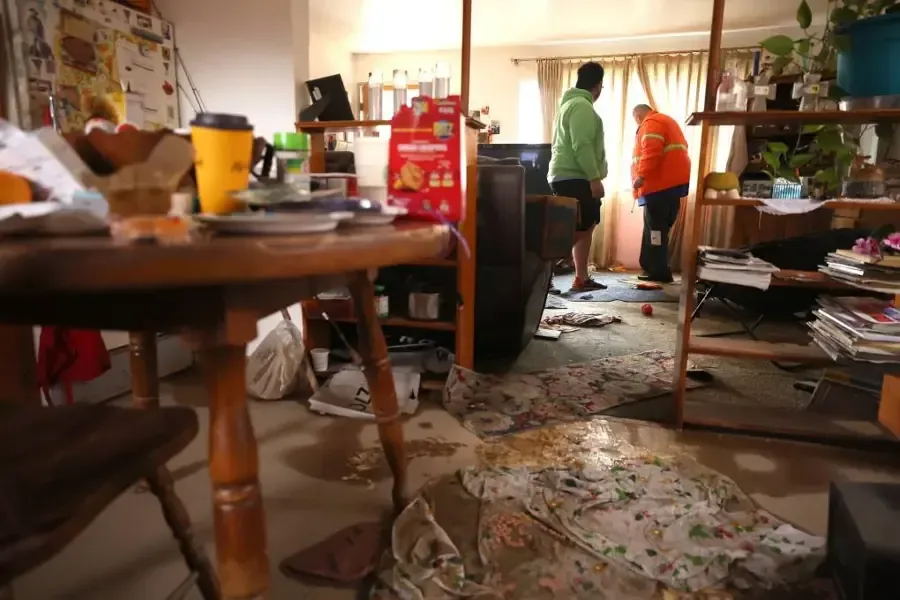
Cornelius Public Works offers seasonal sandbags for emergency flood prevention at a self service filling station in its parking lot. That preparation belongs alongside a plan for what happens if water reaches an entrance or comes indoors. The useful decisions concern safe access, the route of entry and the materials that water actually reaches.
Key takeaways
- Current sandbag availability should be checked before a trip to the filling station.
- The city's adopted flood maps provide a starting point for property questions before work is planned.
- A threshold photograph can help explain entry conditions without entering standing water.
- Indoor cleanup needs an assessment of water condition, affected materials and safe removal access.
- Drying and later repair should follow a documented inspection of the remaining assembly.
Prepare around the entrance that needs protection
The city asks residents to take only the emergency sandbags they need. A practical preparation conversation therefore starts with the entrance or opening being considered, the route needed to move supplies and the person who can safely carry out the work before conditions worsen.
Residents can check current Public Works instructions and availability before collecting material. A seasonal offering should be treated as part of an active preparation plan, with arrangements made while the property and approach remain accessible rather than after water blocks the route.
The household should also keep an exit route available and place essential belongings where they can be reached safely. Planning for those movements matters alongside the barrier itself, especially when the person making decisions is away from the home as conditions change.
- Confirm the current filling station instructions with the city.
- Identify the opening being protected and preserve a safe exit.
- Arrange help with handling supplies before weather disrupts access.
Use the map conversation before scheduling repairs
Cornelius adopted updated FEMA Flood Insurance Rate Maps during the second half of 2016. The city also links to National Flood Hazard Layer mapping, giving an owner a place to begin a parcel specific discussion before planning alterations or repairs after water entry.
Floodplain regulations appear in Cornelius Municipal Code Chapter 18, Section 90. An owner considering building work can bring the proposed scope and property information to the city, so the planning conversation concerns the actual work instead of a general description of flooding.
Community Development is the starting contact for building and permit questions. A clear sketch of the damaged room and the proposed repair helps separate those questions from urgent storm flood cleanup, which addresses the water and affected indoor materials.
- Keep property mapping information with the planned repair scope.
- Describe the proposed building work when contacting Community Development.
- Record urgent mitigation separately from subsequent reconstruction decisions.
Watch the threshold from a dry position
An observer can describe water collecting outside a door, crossing a sill or appearing along a wall without stepping into it. The direction of movement and the first indoor location affected give the restoration contractor a useful starting point for the inspection.
The city advises preparing for power outages and travel disruptions during severe weather. Those conditions belong in the access report when they affect the home, along with a blocked entrance or an area where electrical equipment is exposed to water.
A photograph should capture the entrance and surrounding surfaces together when that can be done safely. Later images can record how the visible conditions changed, preserving a sequence that makes more sense than an isolated close view of a wet floor.
- Describe the first wet indoor surface and the visible exterior approach.
- Record a blocked route or power problem before arranging entry.
- Keep observers away from standing water and unstable building materials.
Treat indoor water as an assessment problem
Once exterior water enters the building, the responding contractor needs to assess its condition and contact with indoor materials. The inspection considers the entry route, debris and the rooms reached before selecting cleanup methods or deciding which materials can remain.
Occupants should keep clean belongings and household traffic out of the affected area. Carrying wet items through otherwise dry rooms can complicate the work area, so movement of contents should follow the contractor's access and handling plan once the space is assessed.
The water extraction service addresses liquid removal after access conditions are established. That operation should be tied to the room inspection, with attention to water trapped beneath coverings or behind edges that are not visible from the doorway.
- Identify the spaces touched by incoming water before moving contents.
- Ask the contractor to explain handling of affected porous materials.
- Keep the removal route separate from clean household storage where practical.
Document the transition from dirty surfaces to exposed layers
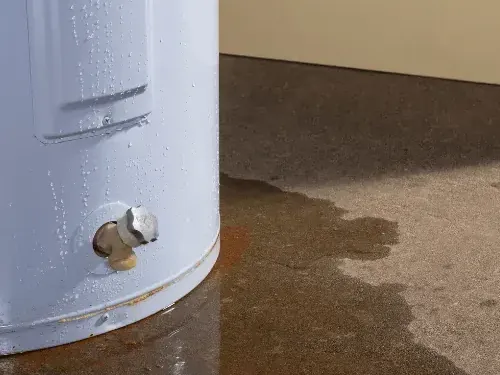
The condition record should distinguish debris removal, cleaning and material removal. A room can look substantially clearer after loose debris is gone while the contractor still needs to inspect the wet layers beneath a covering or behind a wall base.
Photographs taken as materials are exposed help explain the actual scope. A label for the doorway, wall edge or floor section lets the property owner understand where a finding belongs and why an opening was needed at that particular location.
The cleanup plan should account for adjoining storage and spaces reached through the same entrance. Each affected assembly needs its own assessment, so a decision about a removable rug should not silently become a decision about the floor underneath or the adjacent cabinet.
Monitor what remains before rebuilding it
After removal and cleaning decisions are complete, retained materials need a drying plan with measurable endpoints. The contractor should describe the assemblies being dried, the locations being monitored and any access needed to reach concealed moisture along the original water path.
The structural drying page explains how equipment and recorded readings work together. For an owner checking progress, a location based record is more useful than an equipment list because it shows what is happening in the parts of the building that remain.
A later repair scope can then refer to the exposed condition and final mitigation findings. Keeping those records together supports a practical discussion of replacement finishes, required access and any city questions raised by the planned building work.
Keep the household plan usable after the first cleanup
A completed cleanup can reveal weaknesses in the original preparation plan, such as a storage area that was hard to reach or a contact who lacked access. Recording those practical problems helps the household prepare more effectively for another period of severe weather.
The city's storm drain mural on East Baseline Street highlights drainage to the Tualatin River. A household preparation file can pair that local drainage awareness with property specific observations, including the actual entrance involved and the route used to protect belongings.
The final file should preserve the initial water entry account, cleanup records and remaining repair decisions. A short list of future preparation tasks can sit beside it, covering contact details, safe storage and the next check of seasonal city information.
Questions
Where does the city describe its sandbag offering?
Public Works provides a seasonal self service filling station in its parking lot and asks residents to collect only what is needed for emergency use. Residents should verify current availability and instructions directly before arranging pickup.
What should be photographed if water reaches a doorway?
A safe view showing the exterior approach, sill and first affected indoor surface can preserve the entry sequence. The observer should remain in a dry position and leave any unsafe access to the responding professionals.
Who handles questions about proposed building repairs?
Community Development is the city's initial contact for building and permit inquiries. An owner can bring a written description of removal and replacement work together with relevant property information for that discussion.
What belongs in the final flood cleanup record?
The file should connect the entry observations with material handling decisions and final conditions of retained assemblies. It should also identify unfinished repairs so the next contractor can see where mitigation ended and rebuilding begins.